
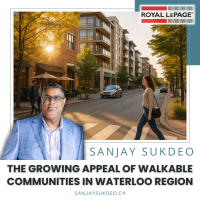
Urban Living Reimagined: The Rise of Walkable Neighbourhoods
Urban planning within the Waterloo Region has undergone a significant transformation in recent years. Increasingly, walkable communities—neighbourhoods intentionally designed to prioritise pedestrian access, transit proximity, and mixed-use development—have become highly desirable among homebuyers and investors alike. These developments reflect a growing societal shift away from car dependency, favouring accessibility, liveability, and sustainability.
In municipalities such as Kitchener and Waterloo, the emergence of walkable communities is not merely a trend but a strategic urban policy. Local government initiatives, such as the Region of Waterloo’s Official Plan, promote intensification and transit-oriented development (TOD), enabling compact, complete neighbourhoods where daily needs are within walking distance.
Key Features of a Walkable Community
A walkable community is defined not solely by the presence of sidewalks but by how effectively those sidewalks integrate with essential amenities. These neighbourhoods typically include:
- Residential dwellings within close proximity to commercial and retail services
- Public transportation stops and transit hubs
- Parks, schools, libraries, and community centres
- Cycling infrastructure and pedestrian-friendly crosswalks
- Higher density zoning with mixed-use buildings
The built environment is intentionally structured to reduce the reliance on personal vehicles, improve quality of life, and enhance civic engagement.
Benefits of Walkability for Property Owners and Investors
1. Higher Property Value and Market Resilience
Properties located within walkable communities often command higher resale values and exhibit greater resilience during market fluctuations. Numerous Canadian and international studies confirm that homes in walkable areas tend to appreciate more consistently due to increased demand. This is particularly true in high-growth urban centres like Waterloo, where infrastructure and innovation are intertwined.
2. Lifestyle and Health Advantages
Walkable neighbourhoods promote active living, contributing to physical and mental well-being. Residents in such communities report lower incidences of chronic disease, greater social interaction, and improved mental health outcomes. These lifestyle benefits have become critical differentiators in real estate preferences post-pandemic, with buyers prioritising liveability alongside square footage.
3. Reduced Transportation Costs
Households in walkable communities often realise considerable savings in transportation costs. With daily errands, school drop-offs, and recreational activities accessible on foot or by transit, there is diminished need for multiple vehicles. This translates to lower household expenses and aligns with broader environmental sustainability goals.
4. Environmental Impact and Urban Sustainability
Walkable developments are less carbon-intensive and place a smaller strain on municipal infrastructure. By reducing vehicular emissions and enabling more efficient land use, these communities contribute directly to regional sustainability targets. The City of Kitchener’s Sustainable Urban Neighbourhoods (SUN) program illustrates this commitment to responsible urban design.
Waterloo Region Neighbourhoods Leading the Way
Several neighbourhoods in the Waterloo Region exemplify the walkable community model:
- Uptown Waterloo: A vibrant urban core featuring a mix of residential, retail, and cultural amenities, all walkable and serviced by the ION LRT system.
- Downtown Kitchener: Undergoing revitalisation with increased residential density, new business developments, and direct access to transit corridors.
- Belmont Village: A charming and highly walkable enclave known for its boutique retail, local eateries, and proximity to public parks.
These neighbourhoods offer compelling opportunities for both owner-occupiers and investors seeking stable, long-term returns.
Urban Planning and Future Policy Direction
The Province of Ontario’s Growth Plan for the Greater Golden Horseshoe identifies walkability and transit-supportive development as essential for future urban resilience. The Region of Waterloo is actively aligning with these principles through investments in light rail, active transportation networks, and zoning reforms that incentivise mixed-use and medium-density development.
Real estate purchasers considering long-term viability, liveability, and ROI are increasingly attracted to areas designed with walkability in mind.
Invest Where the Future is Walking


Post a comment